Virgin Boy Eggs: The Chinese Food Most Chinese People Have Never Tried
The story behind Dongyang's "Virgin Boy Eggs" isn't really about urine—it's about poverty, traditional medicine, and why some local traditions survive long after their original purpose has disappeared.
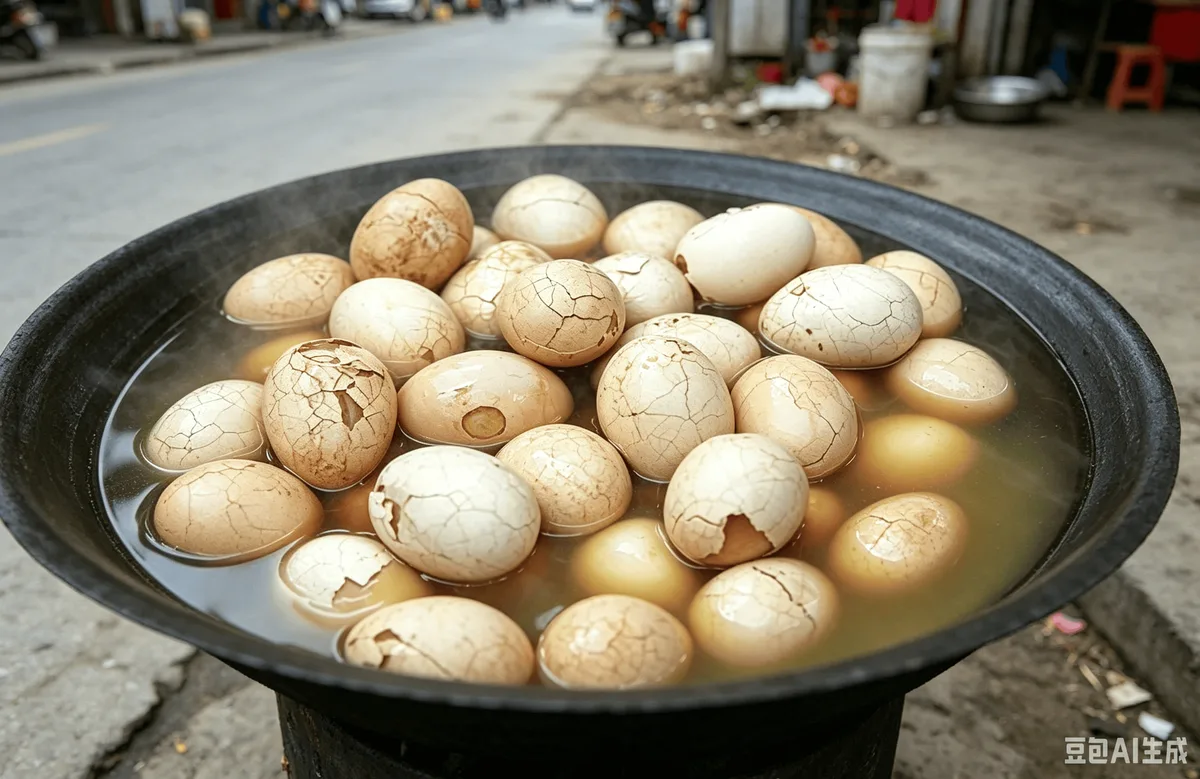
Introduction
Search for “Virgin Boy Eggs” online, and you’ll quickly find headlines describing one of the world’s strangest foods: eggs boiled in the urine of young boys.
What many of those headlines fail to mention is that most Chinese people have never eaten them either.
To much of the international press, these eggs are presented as a quintessentially “Chinese” delicacy—as if they belong alongside Peking duck and dim sum in the national culinary canon. But that would be like treating haggis as the definitive British meal or surströmming as the everyday Swedish lunch. The dish isn’t “Chinese food” in the everyday sense of the phrase. It belongs almost entirely to one small city—Dongyang, in Zhejiang Province, about a three-hour drive south of Shanghai.
Think of Chinese cuisine the way you think of European cuisine. Italy has pasta, France has cheese, Britain has… well, it depends where you are. China is a country the size of a continent, with dozens of distinct regional food cultures that share little in common. What happens in one small corner rarely represents the whole. And nowhere is that more true than with Dongyang’s Virgin Boy Eggs—a tradition that bewilders most Chinese people every bit as much as it bewilders foreigners.
Chapter 1: Why Did This Tradition Exist at All?
Before we talk about traditional medicine, before we talk about the Ming dynasty pharmacopoeia, before we even talk about urine—we need to talk about poverty.
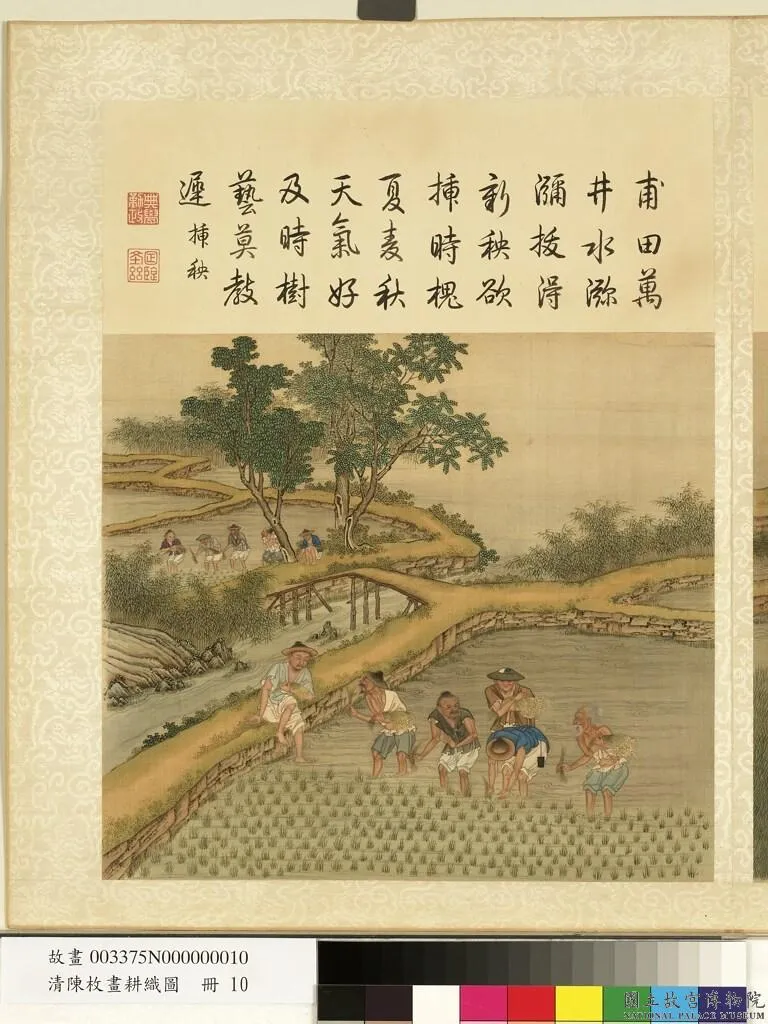
Image: Chen Mei, Gengzhi Tu, National Palace Museum / Wikimedia Commons.
Historically, Dongyang was a difficult place to make a living. The region was densely populated but had little arable land. Floods and droughts came with cruel regularity, turning farming into a gamble that families often lost. In this environment, survival depended on maximising every available resource.
Eggs were among the most precious foods a household could produce. Chickens required little feed, could scavenge for themselves, and turned scraps into protein. In a society where meat was a rare luxury, eggs were the primary—and often the only—source of animal nutrition for ordinary families. Meanwhile, adult men performed back-breaking labour in the fields from sunrise to sunset. Their bodies ached. Their muscles strained. And there was no clinic down the road, no painkiller in the medicine cabinet, no protein powder to aid recovery.
So when a labourer complained of exhaustion or back pain, what could a family do? They had eggs. And they had folk knowledge passed down through generations—including the belief that certain bodily fluids, particularly from “pure” sources like young boys, possessed healing properties. Combining the two made practical sense: the egg provided calories and protein, while the urine was believed to treat the underlying ailment.
There was also a more mundane reason: salt. In an era when salt was neither as cheap nor as abundant as it is today, urine—which contains natural salts—offered a free way to season and preserve food. As elderly Dongyang residents recall, “We had no money to buy salt, so we used urine. The eggs became naturally salty.”
Virgin Boy Eggs were born from necessity, not curiosity. They were not a delicacy invented for pleasure; they were a survival strategy devised by people who could not afford to waste anything—not even the waste of their children.
Chapter 2: The Medical Beliefs Behind the Eggs
Of course, poverty alone doesn’t explain why urine specifically was chosen over, say, seawater or brine. For that, we have to turn to traditional Chinese medicine (TCM)—not as science, but as the intellectual framework that made the practice appear reasonable to people at the time.
In TCM, the urine of prepubescent boys—referred to as tongbian (child’s urine)—has been documented as a therapeutic substance for centuries. The Compendium of Materia Medica (Bencao Gangmu), compiled by the Ming dynasty physician Li Shizhen in 1590, describes it as “cold in nature, salty in taste,” and effective for treating headaches, fevers, and conditions related to “warm qi.” It even carried poetic names like “Return-to-Origin Soup” (huanyuan tang) and “Reincarnation Wine” (lunhui jiu).
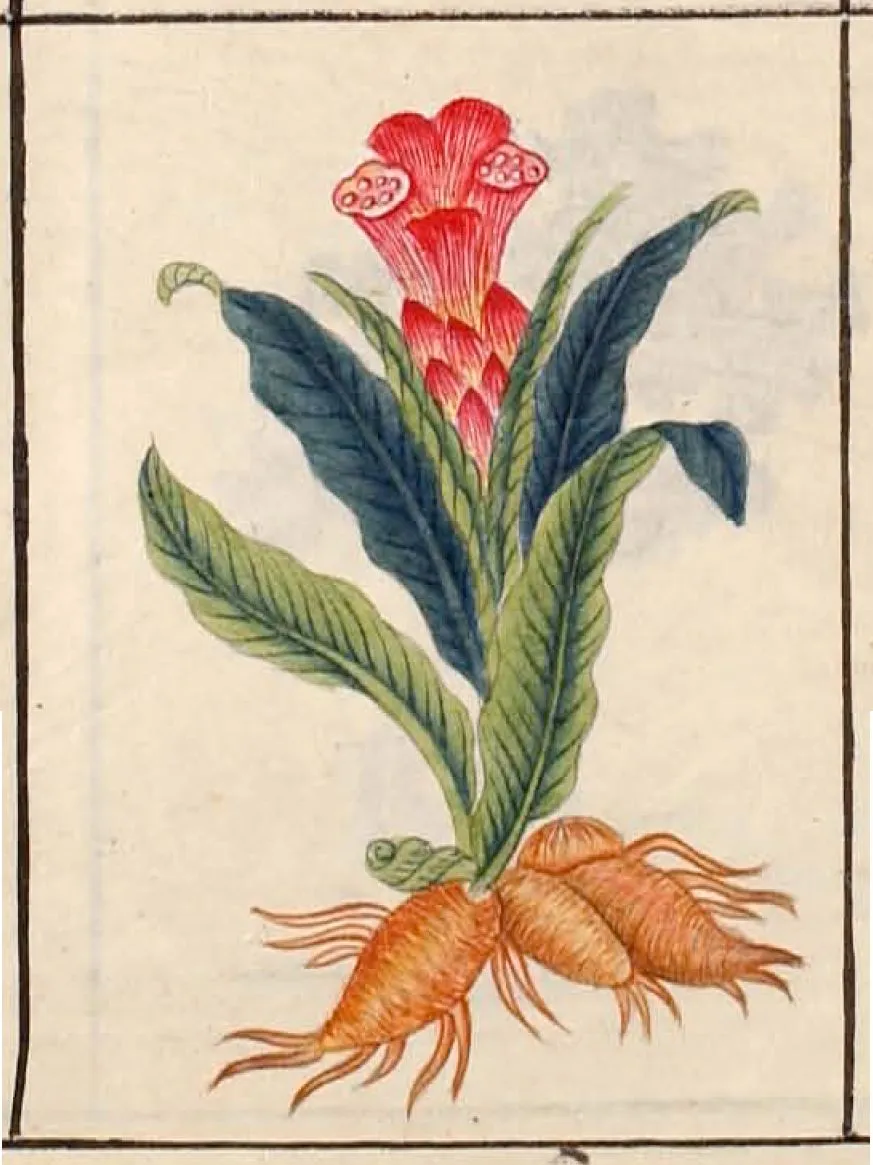
Image: Bencao Gangmu, Wikimedia Commons, public domain.
Why boys specifically? TCM theory holds that prepubescent children are “pure yang” beings, untainted by sexual maturation. Their urine supposedly retains “authentic vital energy” (zhenyuan zhi qi) capable of nourishing the kidneys, cooling internal “fire,” and healing injuries. The famous Yuan dynasty physician Zhu Danxi praised it for its ability to “cool yin and reduce fire with great speed.” Even as recently as the 20th century, the esteemed TCM practitioner Pu Fuzhou recommended it for its blood-circulating and kidney-nourishing properties.
There is also a related substance called renzhongbai—“white sediment from human urine”—which forms as crystals when urine is left to sit. In folk medicine, this sediment was scraped off and used as a topical treatment for bleeding and swelling.
It’s important to pause here and clarify: none of this is validated by modern science. Urine is primarily water mixed with metabolic waste products like urea, creatinine, and salts. It contains no magical “vital energy.” But that’s not the point. The point is that these beliefs—however inaccurate by today’s standards—formed the intellectual scaffolding that made the practice of boiling eggs in urine comprehensible and even logical to generations of Dongyang peasants. They were not acting irrationally; they were acting on the best information their culture provided.
Chapter 3: More Than a Folk Remedy
At some point, Virgin Boy Eggs crossed a threshold. They stopped being a medicine and became a ritual.
Today, the eggs are not eaten year-round. They are consumed almost exclusively in the spring, concentrated around the Qingming Festival (Tomb-Sweeping Day) in early April. Locals will tell you that eating them before Qingming “prevents spring drowsiness and keeps summer heatstroke at bay.” If you miss that window, you’ve missed the season.
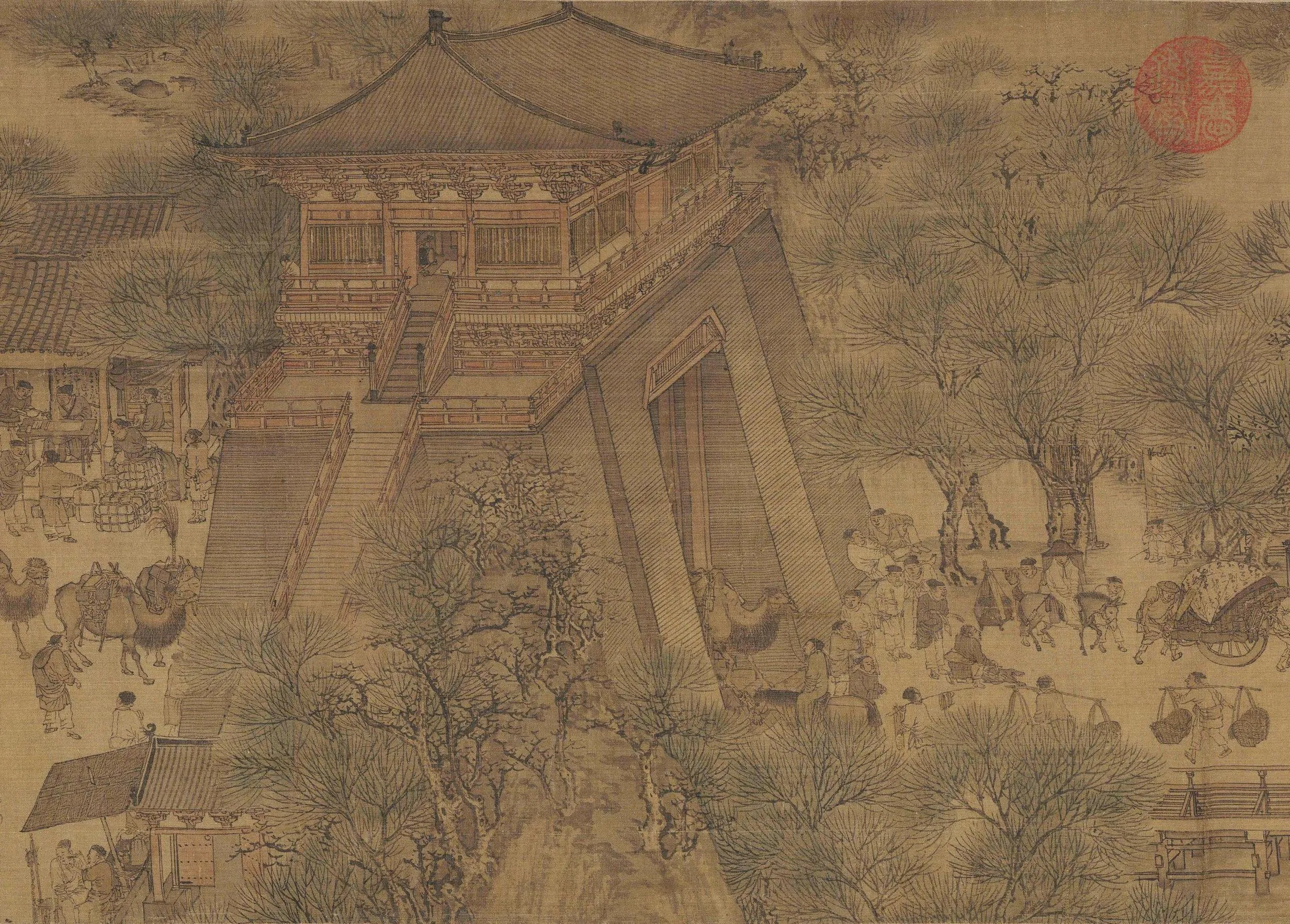
Image: Along the River During the Qingming Festival, Wikimedia Commons, public domain.
This seasonal attachment tells us something important: the eggs are no longer primarily about healing. They are about marking time. Just as Western cultures associate hot cross buns with Easter or pumpkin spice with autumn, Dongyang locals associate the smell of simmering urine eggs with the arrival of spring. It’s a sensory anchor—a way of knowing, without looking at a calendar, that the season has turned.
“I ate them when I was a child,” one Dongyang native in his thirties recalls. “The old people said they’d keep you from getting drowsy in spring and protect you from the summer heat. Back then, families made them at home using their own sons’ urine.” Now, he admits, “my family doesn’t cook them anymore, but when others give them to us as gifts, it’s a sign of respect. I’ve already received them seven or eight times this season.”
Notice what’s happened here. The medicinal justification has faded into the background. What remains is something else: community. The eggs have become a gift, a conversation starter, a shared experience that knits people together. For Dongyang, this is no longer a treatment—it’s a tradition. It’s the taste of home. It’s spring.
Chapter 4: How a Local Tradition Became National News
For centuries, Virgin Boy Eggs remained precisely that—local. Outsiders barely knew they existed. But that changed in the 21st century.
In 2008, the Dongyang municipal government officially added “child’s urine eggs” (tongbian jizi) to its list of intangible cultural heritage items. The decision was locally uncontroversial; it simply acknowledged what everyone in Dongyang already knew—that this was a living piece of their collective history.
Then came the media. Around 2011, Chinese newspapers began running annual springtime stories about the tradition. In 2012, Reuters picked up the story, and the international coverage exploded. Headlines around the world screamed variations of “Chinese Delicacy: Eggs Boiled in Urine” and “Would You Eat This Chinese Street Food?”
Ironically, many Chinese people first learned about Virgin Boy Eggs through these national and international news reports—not through personal experience.
When the Reuters article appeared, it was shared widely across Chinese social media. The reaction from the Chinese public was a mix of shock, disgust, and bemused curiosity. “Is this real?” asked thousands of commenters. “I’ve lived in China my whole life and I’ve never even heard of this!”
This is the paradox of Virgin Boy Eggs: they became famous as “Chinese food” at the very moment when most Chinese people realised they had nothing to do with them.
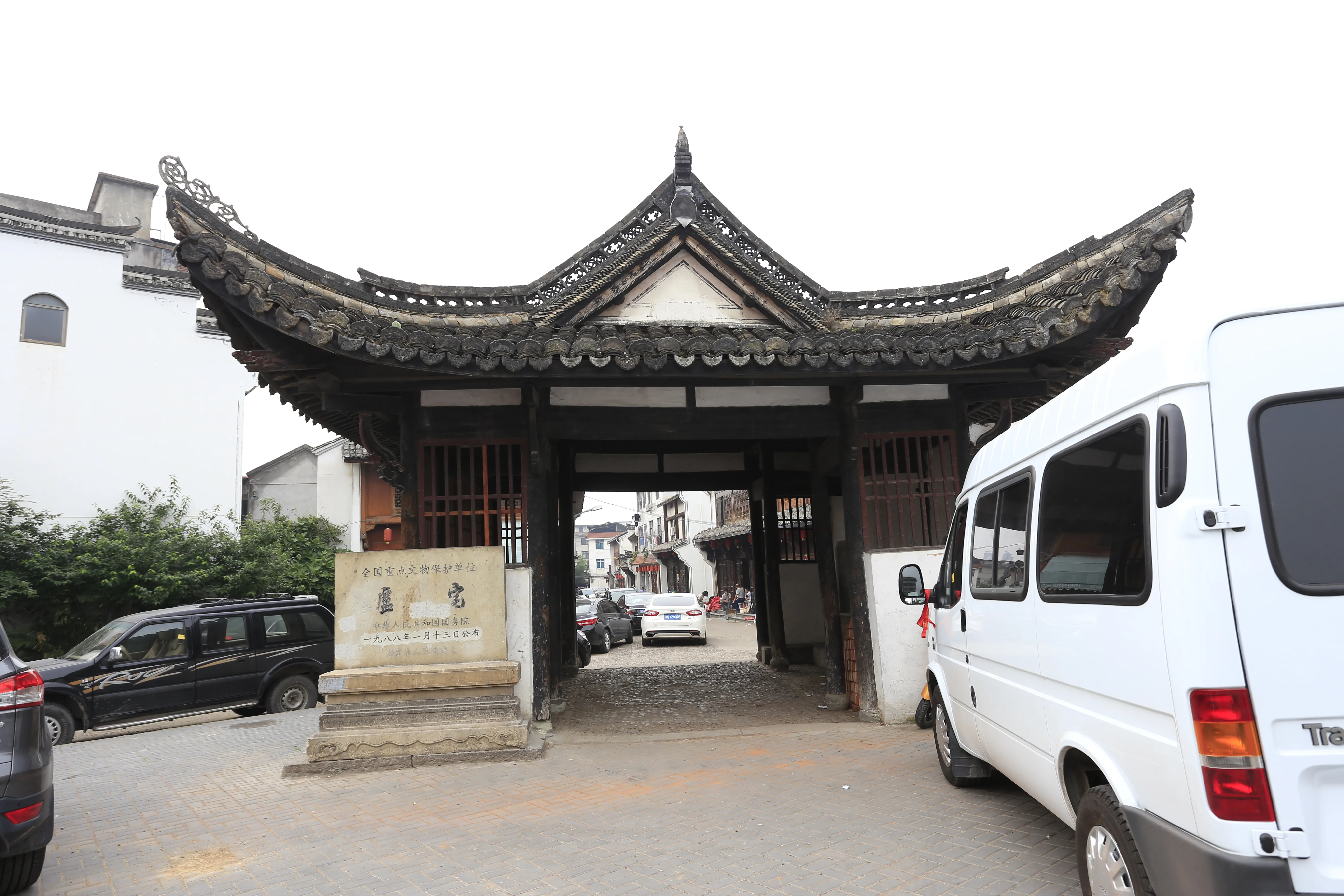
Image: Zhangzhugang, Wikimedia Commons, CC BY-SA 4.0.
Chapter 5: Why Most Chinese People Find Them Strange Too
Let’s be blunt: if you walked into a restaurant in Beijing, Shanghai, or Guangzhou and asked for Virgin Boy Eggs, you would be met with blank stares—or outright laughter.
China is not a monolith. It is a country of 1.4 billion people, dozens of provinces, hundreds of dialects, and food cultures so diverse that the “Chinese cuisine” most Westerners know is really just a handful of regional styles (usually Cantonese or Sichuanese). Dongyang’s tradition is as foreign to an average Shanghai resident as a deep-fried Mars bar is to someone from rural France.
Even within Dongyang, not everyone participates. Many younger locals have never tried the eggs and have no intention of doing so. The practice is most deeply rooted in older generations and rural communities—those who grew up in the poverty and agricultural lifestyle that gave birth to the tradition.
This distinction matters because international coverage often frames Virgin Boy Eggs as a “Chinese delicacy,” as if they represent some sort of collective national taste. They don’t. They represent a very specific historical condition in a very specific place. Calling them “Chinese” in the national sense is like calling a regional Italian dish like casu marzu (maggot-ridden cheese) “European food”—technically true in geography, profoundly misleading in practice.
Chapter 6: The Making of Virgin Boy Eggs
By now, you’re probably wondering: how are they actually made?
The process is straightforward, though time-consuming.
First, vendors collect urine from local primary schools. During the spring season, you’ll find plastic buckets in school corridors, and teachers remind the boys not to contribute if they have a cold. This is a routine part of school life in Dongyang during those weeks.
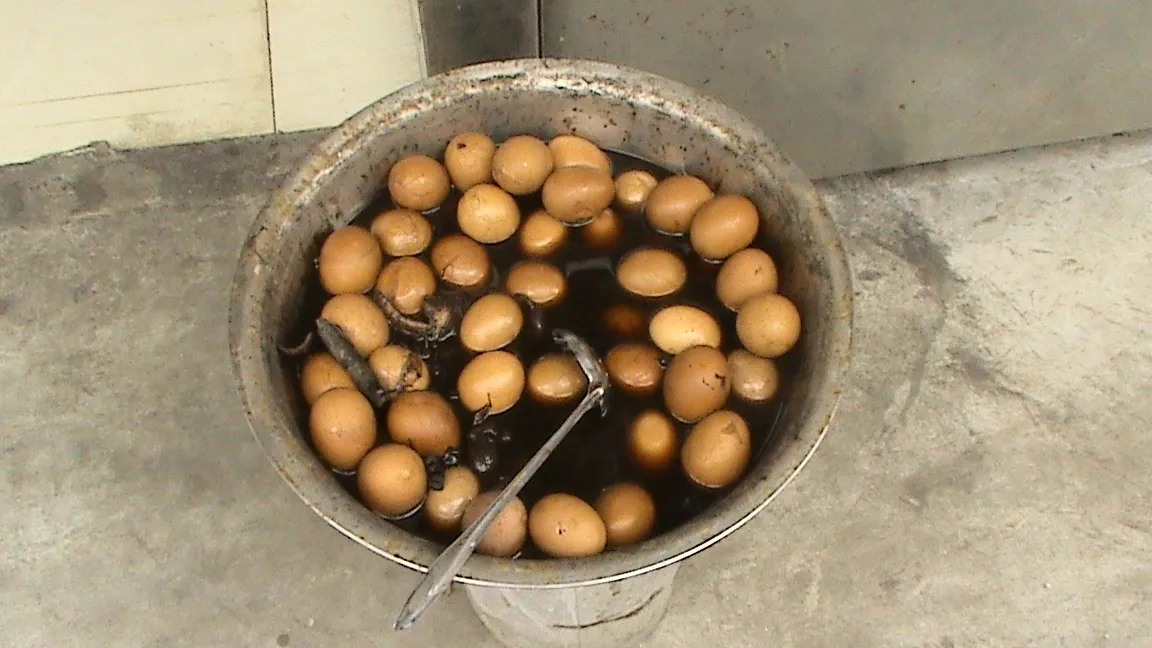
Back at the stall, fresh eggs are boiled in plain water until set. Then they are removed, the shells are cracked slightly—just enough to let liquid penetrate without falling apart—and the eggs are placed in a large pot. The collected urine is poured over them until they are fully submerged.
The pot is set over a low coal or gas fire and left to simmer for a full 24 hours. Periodically, the eggs are stirred, turned over, and more urine is added to keep them covered. No salt, no soy sauce, no spices—nothing else goes into the pot.
The finished product has a distinctive appearance: the whites turn a golden-brown colour, while the yolks shift to a greenish hue. The taste is salty, surprisingly mild, and—according to those who have tried them—not dissimilar to a well-brined hard-boiled egg, though with a noticeably eggy aftertaste. Some vendors sell the eggs straight from the pot; others roast them briefly over charcoal to give the shells a smoky crispness.
Chapter 7: Do They Actually Work?
Modern medicine is unimpressed.
Dr. Huang Jian, head of nephrology at Jinhua Central Hospital, puts it bluntly: “Urine is a waste product. It contains almost no beneficial substances. There is no scientific basis for consuming it.” Dr. Li Xianjun, a TCM hospital director, adds a practical concern: urine stored at room temperature breeds bacteria quickly. From a hygiene perspective, it’s a gamble.
Even TCM practitioners are divided. Dr. Jia Suqing, a senior physician at Jinhua Hospital of Traditional Chinese Medicine, offers a middle ground: “From a modern hygiene standpoint, these eggs are not ideal. But since it’s a deeply embedded local custom, I neither promote nor oppose it.” Dr. Wu Yunhua, a respiratory specialist, adds that the eggs are not for everyone—they depend on individual constitution.
The scientific consensus is clear: there is no evidence that boiling eggs in urine imparts any health benefit that plain boiled eggs wouldn’t provide. The body does not absorb medicinal properties from urine through an eggshell. Any perceived benefit is either placebo, the simple nutritional value of the egg itself (which would exist regardless), or the cultural reassurance of participating in a familiar ritual.
But here’s the thing: the question “do they work” may be missing the point. The tradition didn’t survive because it was medically effective. It survived because it was meaningful.
Chapter 8: The Coffee That Reignited the Debate
Just when you thought the story had settled into quiet local custom, 2026 brought a new twist.
In March of that year, a Dongyang café launched a playful innovation: the “Virgin Boy Egg Americano.” For 28 yuan (about US$4), customers received a cup of black coffee with a small urine-boiled egg hanging from the rim. A single egg. A single cup. The collision of ancient folk remedy and modern café culture was irresistible to social media.
The product went viral—and then it was gone. Within days, the café owner pulled the item from the menu, citing overwhelming public pressure. “We never intended to promote it seriously,” the owner explained. “Customers brought their own eggs, and we just thought it was fun to pair them with coffee. But the backlash was too intense.”
Online reactions were predictably split. Some young netizens praised the café for “bringing heritage to a younger audience” and “making tradition fun and accessible.” Others accused the owner of “misusing local culture for cheap publicity.” One commentator wrote: “This is what happens when you treat a cultural relic like a gimmick.”
Whether the coffee stunt was disrespectful or creative, it exposed a deeper tension: how does a local tradition survive when its original justifications have vanished? If you can’t sell it on health benefits, and the younger generation finds it weird, what’s left?
What Virgin Boy Eggs Really Represent
To outsiders, Virgin Boy Eggs are a bizarre food.
To many people in Dongyang, they are simply a reminder of home.
It’s easy to focus on the urine—sensational, shocking, clickable. It’s much harder, and much less entertaining, to focus on the people who keep this tradition alive: elderly farmers who remember a time when every calorie mattered; middle-aged adults who contributed their own urine as children and now buy the eggs from street stalls as a nostalgic treat; grandparents who still believe—not because science tells them to, but because their grandparents believed it too.
The Virgin Boy Egg is not really a medical treatment. It’s not really a cuisine. It’s a memory made edible—a taste of a world that no longer exists, when Dongyang’s fields were worked by hand, when families relied on chickens for protein and children for medicine, when the line between food and remedy was blurry because poverty didn’t allow the luxury of distinction.
What endures is not a recipe, but a shared memory. The smell of boiling urine eggs rising from kitchen pots each spring. The ritual of collecting from the local school. The quiet satisfaction of biting into a golden-brown egg that tastes, inexplicably, like home.
Perhaps that’s why the tradition has survived. Not because people still believe every medicinal claim, but because traditions often outlive the reasons that created them. What remains is not a scientific justification, but a sense of belonging. And that, in the end, is far harder to let go of than a folk remedy—no matter how strange it looks to the rest of the world.